The Writer
Wine, words, and the Borderland table.
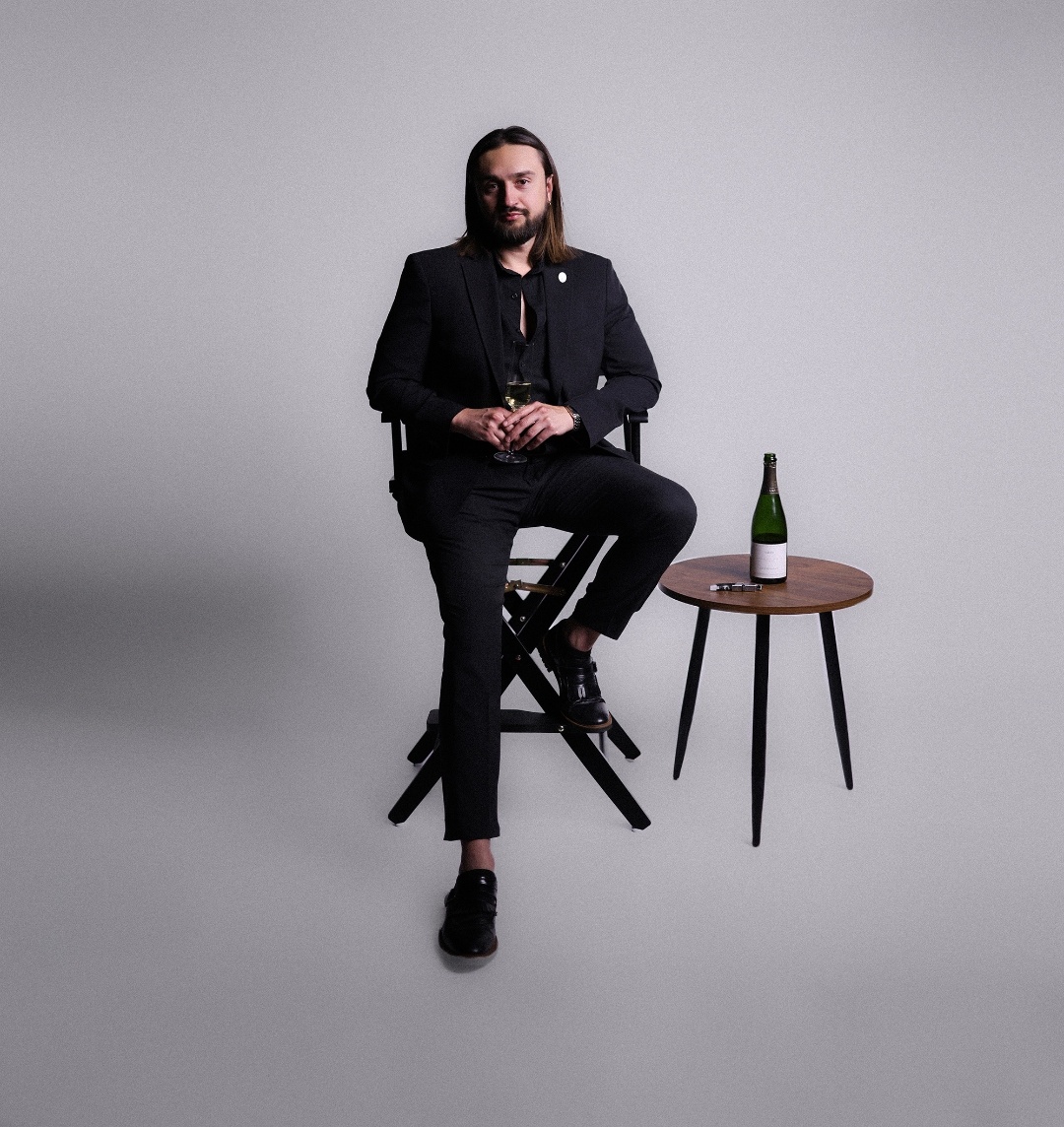
Nico Antuna Cooper is a Certified Sommelier (Court of Master Sommeliers, Level 2), WSET Level 2 with Distinction, and the founder of Nico Vino. With over five years of experience across wine service, sales, distribution, and consulting — including an advisory role with Altair Imports — he brings both floor-level fluency and strategic depth to everything wine-related.
He also holds a Master of Fine Arts in Creative Writing and works as an adjunct professor — which means his approach to the glass is inescapably literary. Tasting notes are a form of criticism. Regions are narrative. The sommelier’s job, done right, is translation: between producer and guest, between place and palate, between ancient geology and a table in El Paso, Texas.
Nico Vino is where those two disciplines — wine and writing — stop being separate things.
Credentials
Formal Training
Court of Master Sommeliers · Level 2
WSET · Passed with Distinction
Service, sales, distribution & consulting
incl. Altair Imports
Master of Fine Arts in Creative Writing · Adjunct Faculty
"Wine criticism is closest to poetry: you are not describing an object, you are attempting to translate an experience. The goal is accuracy of feeling, not catalog of compounds."
— Nico Antuna Cooper


The Approach
On writing about wine
Wine writing has two failure modes: the technical — a list of compounds and structural adjectives that reads like a laboratory report — and the precious — an avalanche of metaphor that illuminates nothing and obscures everything. Nico Vino tries to navigate between them.
The model is literary journalism. A tasting note is a point of entry, not a conclusion. The wine's structure — its acid, its tannin, its alcohol — is the grammar; but the story is cultural, historical, human. Who grew these grapes, and on what land? What does this appellation mean to the people who made it? What does it mean to drink it here, now, at this table?
These are not technical questions. They are the questions a writer asks — and a sommelier, if they're doing it right, is always a writer at the table.
Focus Regions
Areas of study
-
Mexico — Chihuahua & BeyondValle de Juárez, Chihuahuan high-desert viticulture, emerging Mexican wine culture, Borderland producers
-
New MexicoMesilla Valley AVA, Rio Grande viticulture, high-altitude desert terroir, emerging Southwest wine culture
-
LebanonBekaa Valley, indigenous varieties, Château Musar, Cinsault and Obaideh, ancient Phoenician wine heritage
-
Italy — Including Sardinia & SicilyNebbiolo, Sangiovese, Cannonau, Nero d'Avola, island viticulture, indigenous varieties and regional DOCs
-
Wine & CultureThe sommelier's role, wine in literature, service culture, restaurant wine lists